Do pharmaceutical drugs affect nutrition?
In today’s fast-paced world, pharmaceutical medications have become a cornerstone of modern healthcare. While these medications are often life-saving and useful for managing acute conditions, they can come with unintended side effects, including the depletion of vital nutrients in the body. This phenomenon, known as drug-induced nutrient depletion, can lead to a cascade of health issues if left unaddressed. Fortunately, natural medicine supplements offer a safe and effective way to replenish these nutrients and support overall well-being.
The Hidden Cost of Medications: Nutrient Depletion
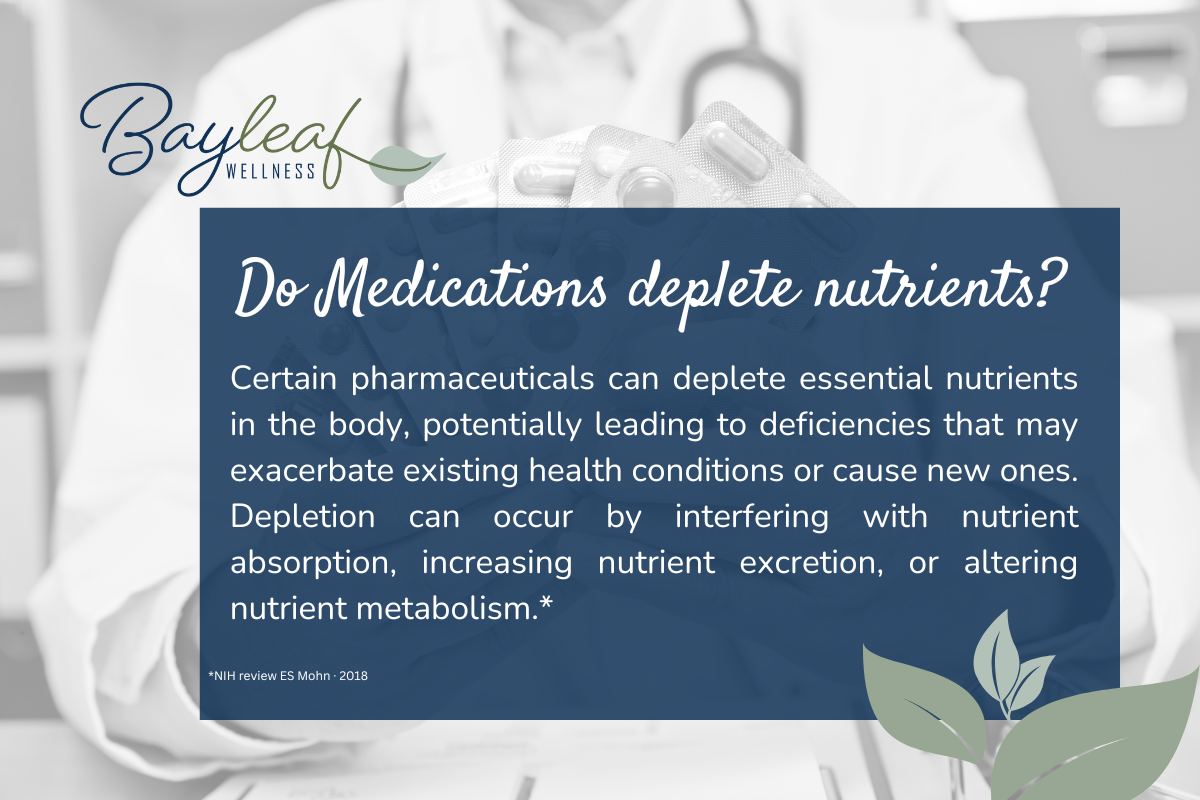
Pharmaceutical medications work by altering biochemical pathways in the body to treat specific conditions. However, in the process, they can interfere with the absorption, metabolism, or excretion of essential nutrients. Over time, this can lead to deficiencies that may exacerbate existing health problems or create new ones. Below, we’ll explore some common medications and the nutrients they deplete.
- Antibiotics
Antibiotics are widely used to combat bacterial infections, but they can disrupt the balance of gut microbiota. This disruption can impair the absorption of nutrients such as:
- Vitamin K: Produced by gut bacteria, vitamin K is essential for blood clotting and bone health.
- B Vitamins: Particularly B12, which is crucial for energy production and neurological function.
- Proton Pump Inhibitors (PPIs)
PPIs, used to treat acid reflux and ulcers, reduce stomach acid production. While this alleviates symptoms, it also impairs the absorption of:
- Calcium: Leading to an increased risk of osteoporosis.
- Magnesium: Essential for muscle function and heart health.
- Vitamin B12: Stomach acid is necessary for its absorption.
- Statins
Statins, prescribed to lower cholesterol, can deplete:
- Coenzyme Q10 (CoQ10): A vital antioxidant that supports heart health and energy production.
- Oral Contraceptives
Birth control pills can interfere with the metabolism of several nutrients, including:
- Folate: Crucial for DNA synthesis and cell division.
- Vitamin B6: Important for mood regulation and immune function.
- Magnesium: A key player in over 300 enzymatic reactions in the body.
- Diuretics
Commonly used to manage high blood pressure, diuretics increase the excretion of water and electrolytes, leading to the loss of:
- Potassium: Essential for muscle function and heart rhythm.
- Magnesium: Important for nerve and muscle function.
- Zinc: Crucial for immune health and wound healing.
- Metformin
A first-line treatment for type 2 diabetes, metformin can deplete:
- Vitamin B12: Leading to fatigue, nerve damage, and cognitive issues.
- Folate: Essential for red blood cell production and DNA repair.
The Consequences of Nutrient Depletion
Nutrient deficiencies caused by medications can manifest in various ways, including fatigue, weakened immunity, poor bone health, and cognitive decline. Over time, these deficiencies can contribute to chronic conditions, reducing the quality of life and complicating the management of existing health issues.
Addressing Nutrient Depletion with Natural Medicine Supplements
Natural medicine offers a holistic approach to addressing drug-induced nutrient depletion. By replenishing lost nutrients with high-quality supplements, you can support your body’s natural healing processes and maintain optimal health. Here’s how to tackle nutrient depletion for each medication category:
- Replenishing Nutrients Lost to Antibiotics
- Probiotics: Restore gut microbiota balance and improve nutrient absorption.
- Vitamin K: Consider a supplement or increase dietary intake through leafy greens like spinach and kale.
- B Vitamins: A high-quality B-complex supplement can help restore energy levels and support neurological health.
- Counteracting PPI-Induced Depletions
- Calcium and Vitamin D: Opt for a calcium citrate supplement, which doesn’t require stomach acid for absorption, and pair it with vitamin D for better efficacy.
- Magnesium: Choose a bioavailable form like magnesium glycinate or citrate.
- Vitamin B12: Sublingual B12 supplements or injections can bypass the need for stomach acid.
- Supporting Statin Users
- CoQ10: Supplementing with 100-200 mg of CoQ10 daily can help reduce muscle pain and fatigue associated with statin use.
- Balancing Nutrients for Oral Contraceptive Users
- Folate: Look for a methylated folate supplement for better absorption.
- Vitamin B6: A B-complex supplement can address multiple deficiencies simultaneously.
- Magnesium: Incorporate magnesium-rich foods like nuts and seeds or take a supplement.
- Restoring Electrolytes for Diuretic Users
- Potassium: Increase dietary intake through bananas, oranges, and potatoes, or consider a supplement if recommended by a healthcare provider.
- Magnesium: A magnesium supplement can help prevent muscle cramps and support heart health.
- Zinc: Zinc lozenges or supplements can boost immune function and aid in wound healing.
- Addressing Metformin-Induced Deficiencies
- Vitamin B12: Sublingual or injectable forms are highly effective.
- Folate: A methylated folate supplement can support red blood cell production and DNA repair.
Choosing the Right Supplements
When selecting supplements, it’s crucial to prioritize quality and bioavailability. Practitioner-only supplements are often superior to over-the-counter options, as they are formulated based on clinical research and undergo rigorous quality testing. These supplements are free from fillers and additives, ensuring maximum efficacy and safety.
The Role of Diet in Combating Nutrient Depletion
While supplements are invaluable, they should complement a nutrient-dense diet. Incorporate a variety of whole foods, including:
- Leafy Greens: Rich in folate, magnesium, and vitamin K.
- Nuts and Seeds: Excellent sources of magnesium, zinc, and healthy fats.
- Lean Proteins: Provide essential amino acids and B vitamins.
- Fruits and Vegetables: Packed with antioxidants, vitamins, and minerals.
The Importance of Professional Guidance
Before starting any supplement regimen, consult a qualified healthcare practitioner. They can assess your individual needs, recommend appropriate supplements, and monitor your progress. This personalized approach ensures that you address nutrient depletion effectively without risking over-supplementation or interactions with medications.
Conclusion
Pharmaceutical medications play a significant role in managing health conditions, but their impact on nutrient levels should not be overlooked. By understanding the nutrients depleted by common medications and addressing these deficiencies with natural medicine supplements, you can support your body’s resilience and maintain optimal health. Remember, a balanced diet, high-quality supplements, and professional guidance are the keys to thriving in the face of modern healthcare challenges.
Book Your Appointment Today! A Vitamin, Mineral & Heavy Metal Test will help identify deficiencies in your key vitamin and mineral levels.